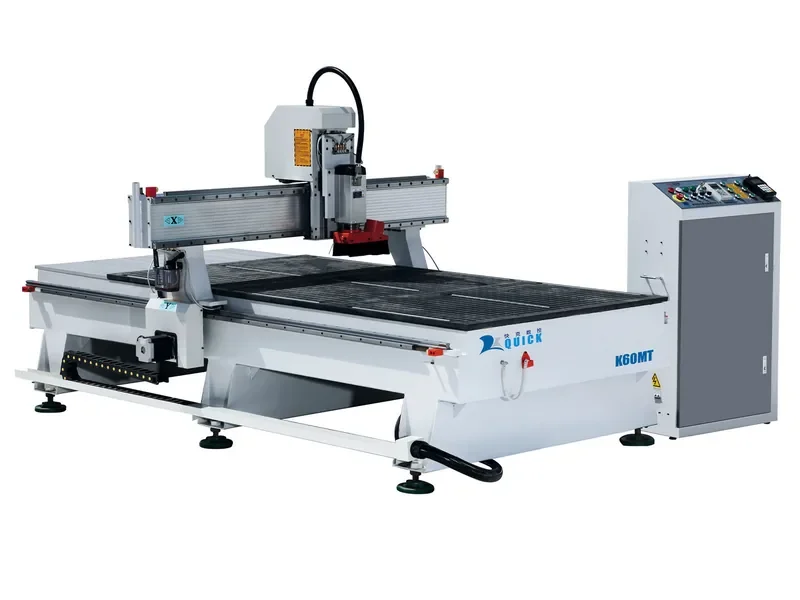
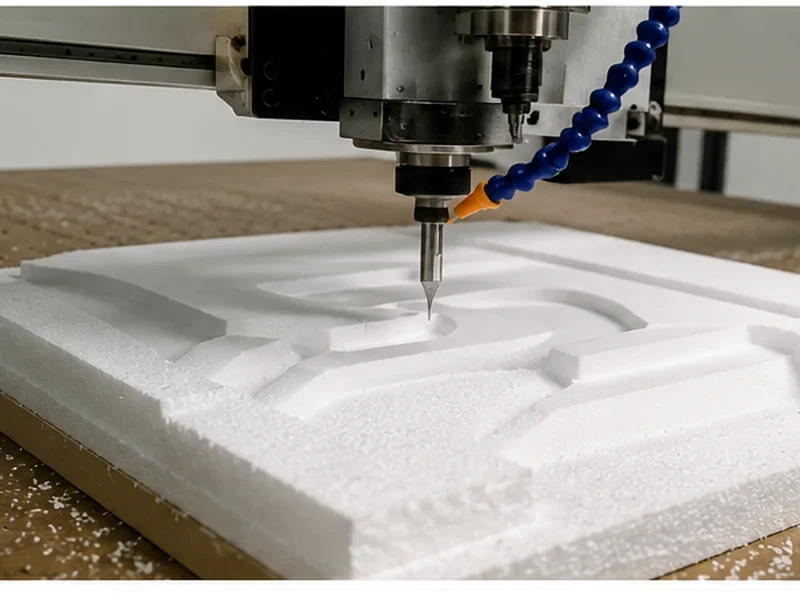
Short answer
If most of your work is rectangular cabinet panels with lots of face and side holes, start with a six-sided drilling machine. If you make doors, shaped parts or solid-wood components and the same machine also needs to route, mill and change tools, a PTP CNC gives you more flexibility. The deciding factors are your everyday parts, hole pattern, routing work, clamping needs and software flow.
Start with your parts
Put a few normal production parts on the table first. Which ones take most of the machine time? Which need holes on several faces? Which also need routing, pockets or special clamping? That usually tells you faster than a feature list whether PTP flexibility or six-sided panel flow should carry the main workload.
Keep these four things in mind
This comparison makes sense if you make cabinets, wardrobes, doors or panel furniture
The real difference: PTP gives you flexibility; a six-sided drill keeps panels moving
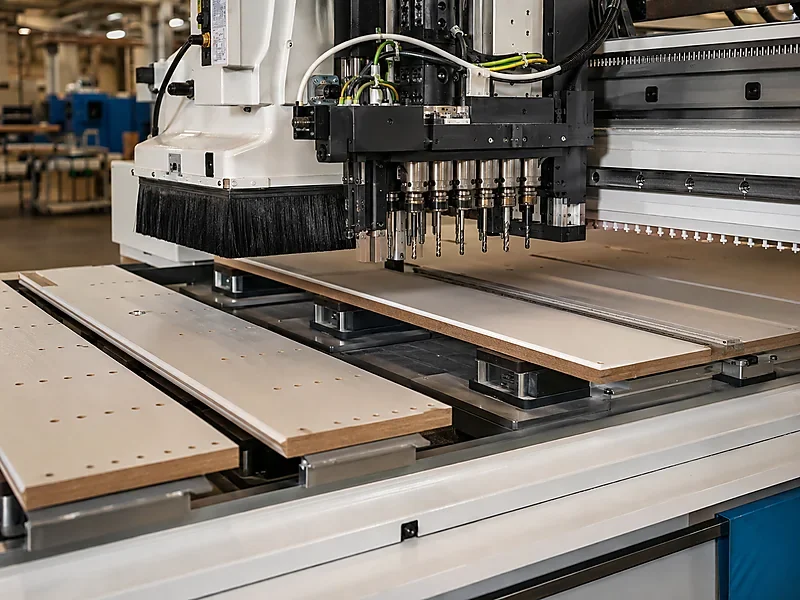
A PTP CNC holds each part on movable pods, rails, stops or clamps, leaving more of the part open for drilling, routing, boring, milling, sawing and other operations. It is strong when jobs change often or when doors and special parts need more than repeated hole patterns.
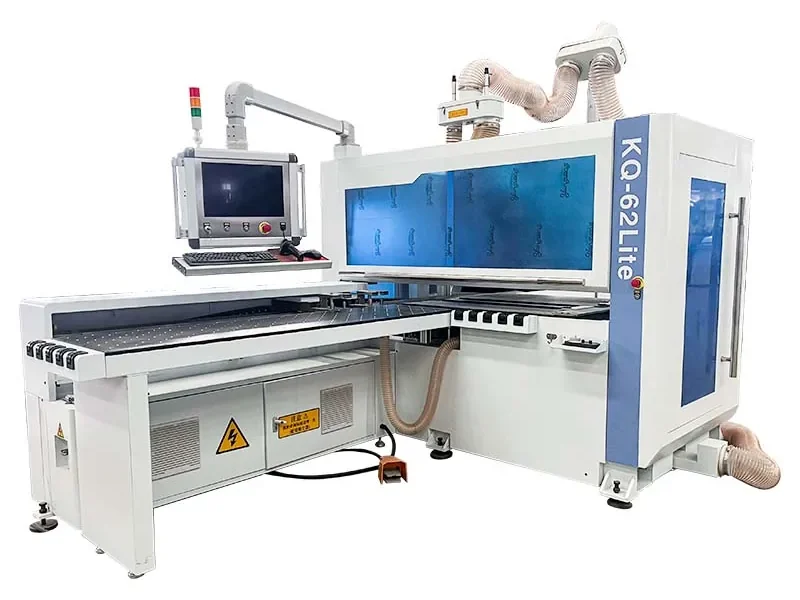
A six-sided drilling machine is built to move pre-cut panels through drilling with less handling. The machine grips and references the panel, then upper, lower and horizontal units process face holes, side holes and grooves without someone turning the panel by hand.
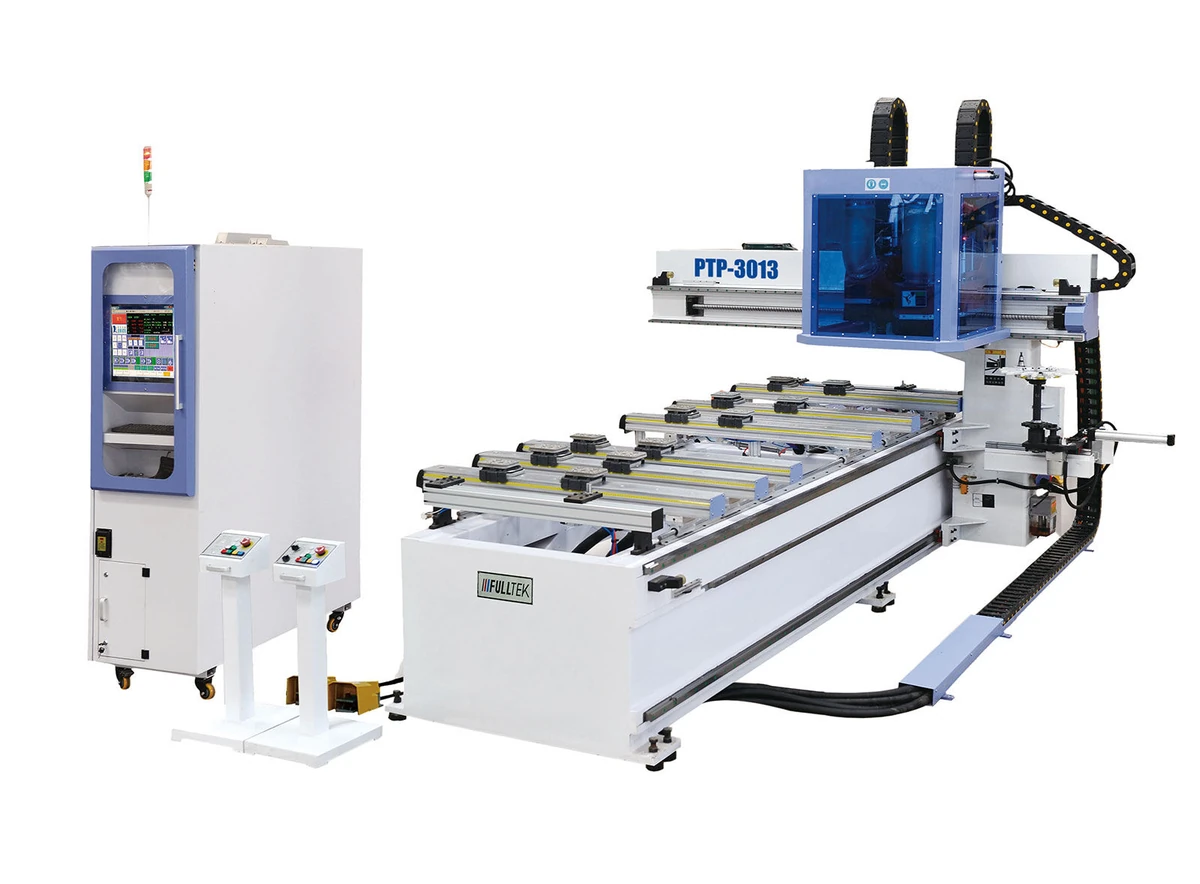
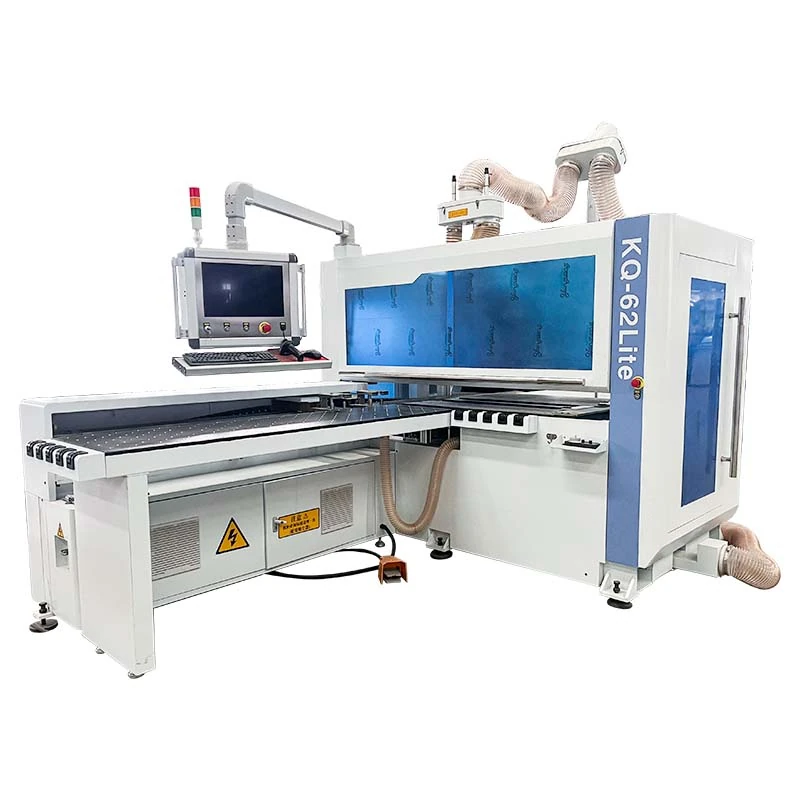
PTP or six-sided drill? Here’s the practical difference
| What to compare | PTP CNC | Six-sided drilling machine | What this means for you |
|---|---|---|---|
| The parts you make most | Doors, shaped parts, solid-wood components and panels needing several different machining steps | Pre-cut rectangular cabinet and panel-furniture parts | Give priority to the parts that take up most of your machine time. |
| Where it is strongest | Flexible routing, drilling, boring, milling, sawing, tool changes and special jobs | Top, bottom and edge drilling with less manual handling | Choose around the daily work, not the longest feature list. |
| Workholding | Movable pods, rails, stops, clamps and configurable work zones | Automatic grippers, pressure devices, air tables and through-feed referencing | Check the smallest parts, narrow parts and edge access before you decide. |
| Changing from one part to another | Pod or rail setup may take more time when part geometry changes | Barcode-driven panel changes need much less manual setup | Time loading, setup and changeover—not just the drilling cycle. |
| Holes on both faces | The part may need to be flipped or repositioned unless the machine can reach the required face | Built to process top, bottom and edges without manual panel turning | Dense multi-face drilling strongly favors six-sided flow. |
| Routing and special machining | More freedom, especially with ATC and aggregates | Available on some configurations, but drilling flow remains the main job | Check routed pockets, cutouts and tool requirements against the exact setup. |
| How it fits into the line | Often used for doors, special parts, double-zone work and flexible jobs | Fits naturally after cutting and edge banding in barcode-driven panel flow | Look at upstream and downstream handling before adding conveyors or automation. |
| Best fit | Better when part geometry and machining operations vary a lot | Better when cabinet-panel drilling takes up a large part of the day | If both workloads are large, two machines can be more efficient than forcing one machine to do everything. |
Check these five things before you choose
Choose PTP when the parts and machining jobs keep changing
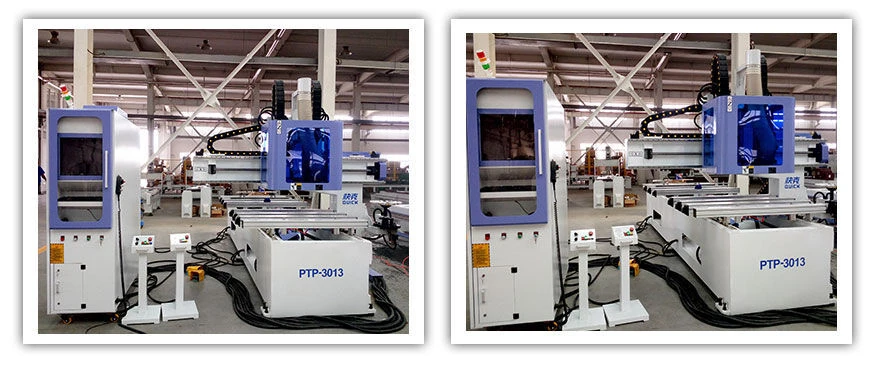
A PTP CNC router for doors and furniture panels is the better place to start when one machine has to handle different part shapes and several kinds of work. Typical examples include door locks and hinges, routed profiles, deep pockets, side machining, solid-wood joinery, long parts, special aggregates and multiple tools on the same job.
The pod-and-rail table gives you that freedom, but setup still matters. Check pod quantity, rail travel, clamp use, small-part holding and collision clearance against your real drawings.
Choose a six-sided drill when most of the work is cabinet panels
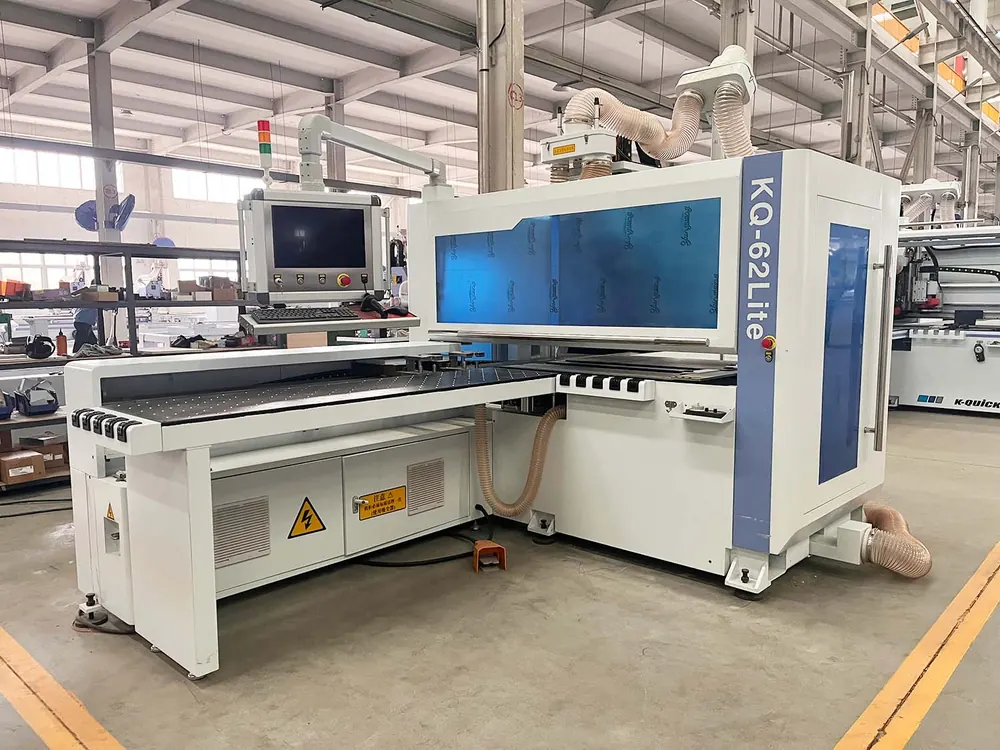
A six-side drilling machine for panel furniture makes more sense when cut and edge-banded panels arrive with barcode data and need to leave the drilling station ready for sorting or assembly. The machine holds and moves the panel while upper, lower and horizontal units handle the hole pattern and grooves.
Before you choose, check the minimum clamping size, drill-bank layout, side drilling, grooving or routing units, air-table support, outfeed direction and software connection.
Both machines overlap, so compare the exact configuration
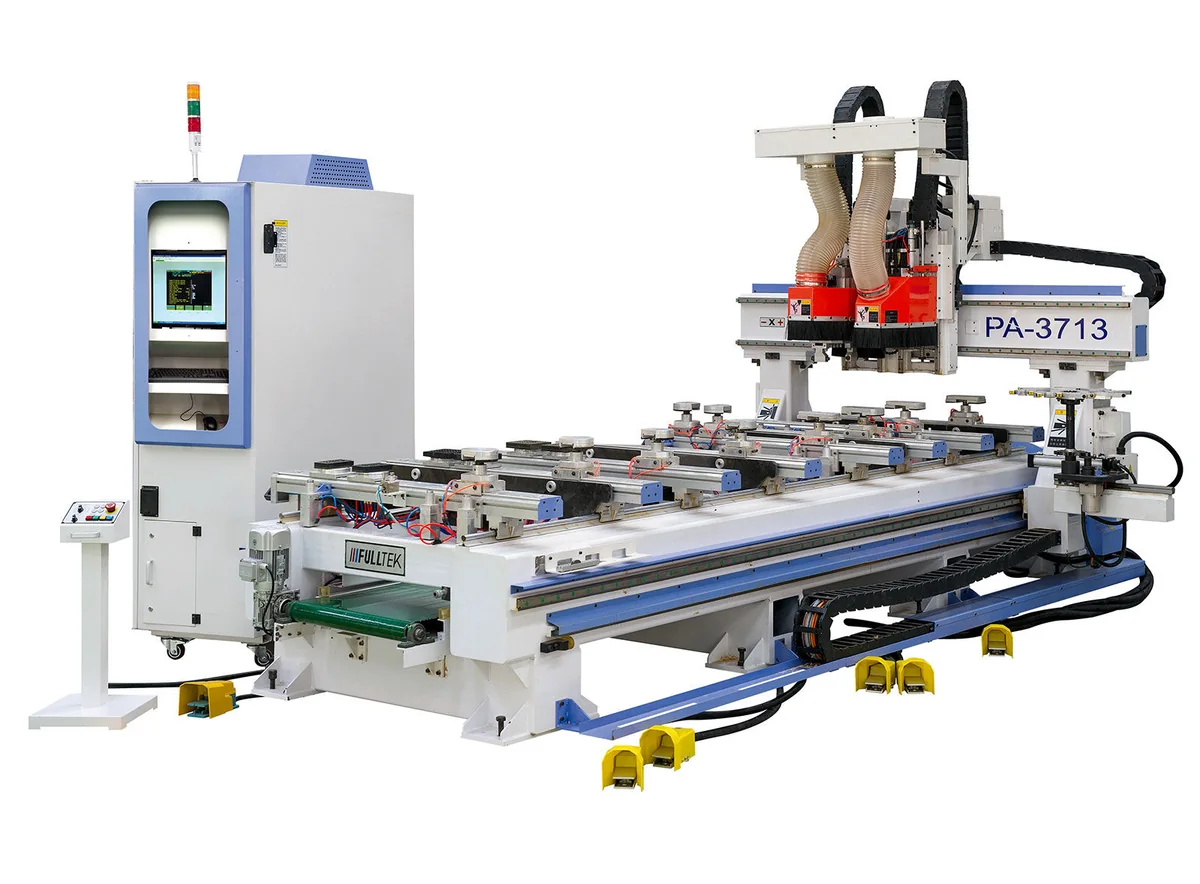
Both machine types can drill vertically and horizontally when configured for it. Both can groove, and some six-sided systems also add routing. The bigger difference is still how the part is held and moved through the machine.
These details can change the answer
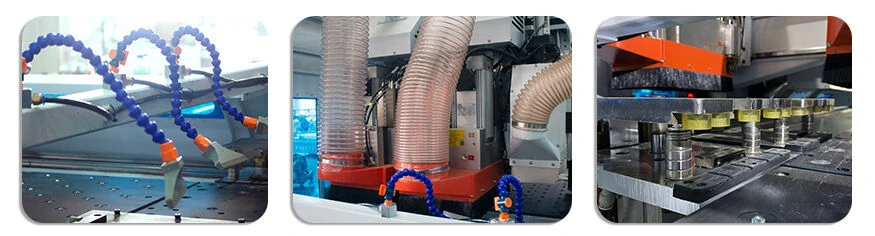
- Vertical and horizontal drill-spindle layout and the directions each unit can reach.
- Routing-spindle reach, tool requirements and whether automatic tool changing is needed.
- Grooving direction, depth and whether front and back grooves need extra handling.
- Whether pods, clamps or grippers can safely hold your smallest and narrowest parts.
- Whether your CAD/CAM, postprocessor, barcode logic and production software work with the machine.
Here’s how the two machines fit into production
If most of the work is cabinet panels
Cut or nest the parts, edge-band the required sides, then send barcode-labeled panels to the six-sided drill for face holes, side holes and grooves. Add return conveyors or more automation only when the real material flow and floor space support it.
If doors and special parts take a lot of work
Use the PTP for door faces, locks, hinges, routed profiles, long narrow parts, solid wood and work that does not fit the main panel flow.
If you have a lot of both
Keep high-volume cabinet panels on the six-sided drill and use the PTP for doors, special parts and rework. That stops flexible jobs from interrupting the panel line and keeps the PTP from spending all day on repetitive drilling.
Don’t compare the machine price by itself
Add the workholding, tools, drill bits, software, barcode equipment, conveyors, dust collection, compressed air, electrical work, installation, training, spare parts, floor space and labor around the machine. A lower purchase price is not a saving if people still spend too much time turning panels, waiting on setup or moving work to another machine.
The useful question is simple: how much time, labor, rework or outside processing will this machine remove from your normal production?
Use your own production records and real parts. Generic efficiency percentages are not useful unless the material, drawing, tooling, workholding, software and operator steps are comparable.
A simple example: when a flexible PTP becomes the drilling bottleneck
Selection Example
A cabinet factory chooses the machine with the most functions
- What went wrong
- The factory chooses PTP because it can route, drill, mill and use several tools, even though most daily parts are rectangular cabinet panels with dense connector holes.
- What happened
- Operators spend too much time setting pods, checking orientation, turning panels and waiting in the queue.
- Why
- The machine was chosen by the feature list instead of the work that fills most of the day.
- Better way
- Time several normal cabinet panels from loading to unloading, then put the repetitive panel flow on a six-sided drill if the workload supports it.
- What this tells you
- Let the everyday parts choose the main machine. Do not let one difficult part dictate the equipment that has to carry most of the volume.
Five things are enough for the first machine comparison
Send 2–3 normal drawings or part photos, plus one difficult part if you have it.
Tell us the material, thickness, and the smallest and largest part sizes you need to process.
List face holes, side holes, grooves, pockets, profiles, hinge or lock work, routing and any other important machining steps.
Parts per shift is useful, but even a simple description of where production is slowing down is enough to start.
Tell us the design or CAM software you use and whether parts move through production by barcode or another job-management system.
Show us your parts first — then we can narrow down the machine
Send a few parts you make every day. We’ll first see whether most of the work belongs on a six-sided drill or whether you need the freedom of a PTP. If both workloads are large enough, then it makes sense to look at a two-machine layout or a wider panel-furniture line. You can also compare our furniture CNC machines and CNC machine selection guide.
Not sure which one fits your production?
Send 2–3 typical parts, your material and thickness, and the output you want. That is enough for us to start comparing PTP and six-sided drilling around your actual work.
Send Us Your PartsStill deciding? Start with these questions
Which machine makes more sense for custom cabinets?
If most of the work is rectangular cabinet panels with lots of face and side holes, a six-sided drill is usually the better starting point. If the same factory also does a lot of routing, door work, shaped parts or special machining, PTP gives you more flexibility.
Can a six-sided drilling machine replace a PTP CNC?
It can replace PTP for a defined cabinet-panel drilling workload, but it is not a universal replacement. Check routing work, tool changes, part shapes, clamping range, side operations and software before you treat the two machines as substitutes.
Is a PTP CNC better for doors and shaped components?
Yes. If doors, long narrow parts, curved profiles, solid wood or multi-process routing take up a big part of the work, PTP is usually the better starting point because the pod-and-rail table leaves more of the part open for machining.
Which machine saves more panel flipping?
A six-sided drilling machine is built to handle top, bottom and edge features without someone turning the panel by hand. That matters most when you have lots of pre-cut cabinet panels with holes on several faces.
Can both machine types route and groove?
Yes, depending on the setup. PTP machines commonly combine routing, drilling, boring, milling and tool changing. Six-sided machines can also have grooving saws and routing spindles, but the exact reach and tooling still need to match your drawings.
When should a factory consider using both machines?
Use both when most of the volume is rectangular cabinet panels but you also have enough doors, special parts, rework or routed components to keep a flexible machine busy. The six-sided drill carries the panel flow while PTP handles the exceptions.
Technical sources
- Quick CNC — PTP CNC Router for Doors and Furniture Panels: PTP layout, pod-and-rail workholding and furniture-part applications.
- Quick CNC — Six-Side Drilling Machine for Panel Furniture: multi-face drilling, grooving, barcode jobs and panel movement.
- HOMAG — Drilling and Fitting Insertion: industrial drilling, part transport and furniture-line examples.
- HOMAG — Throughfeed Processing Center DRILLTEQ L-500: an example of a through-feed drilling system adding routing, grooving and fitting operations.
- Biesse — A Plus for Biesse: an example of flexible pod-and-rail machining for varied component work.
Send us a few real parts and we’ll start from there
The right machine is the one that handles most of your everyday work with less unnecessary setup, turning, waiting and rework—without losing the special machining you still need.
Send Your Drawings
Frannie
Hello, I’m Frannie, a CNC machinery specialist with 15 years of experience in the woodworking CNC industry. I help furniture factories, cabinet makers, woodworking workshops, and production businesses choose CNC machines that match their production needs, factory size, budget, and efficiency goals.
My work focuses on solving real production problems, including replacing outdated equipment, improving machining efficiency, reducing labor costs, and upgrading to smarter CNC solutions. I also support customers with machine installation guidance, operation training, video support, and on-site training when needed, helping them use their machines more confidently and effectively.