K1325-5A 5 Axis ATC CNC Router for Complex Woodworking and Composite Machining
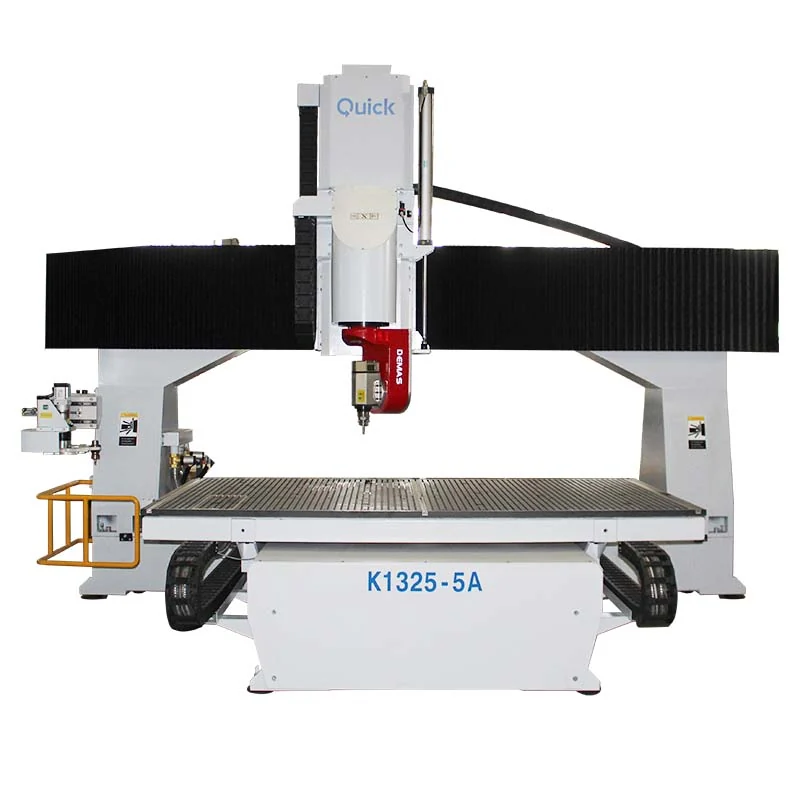
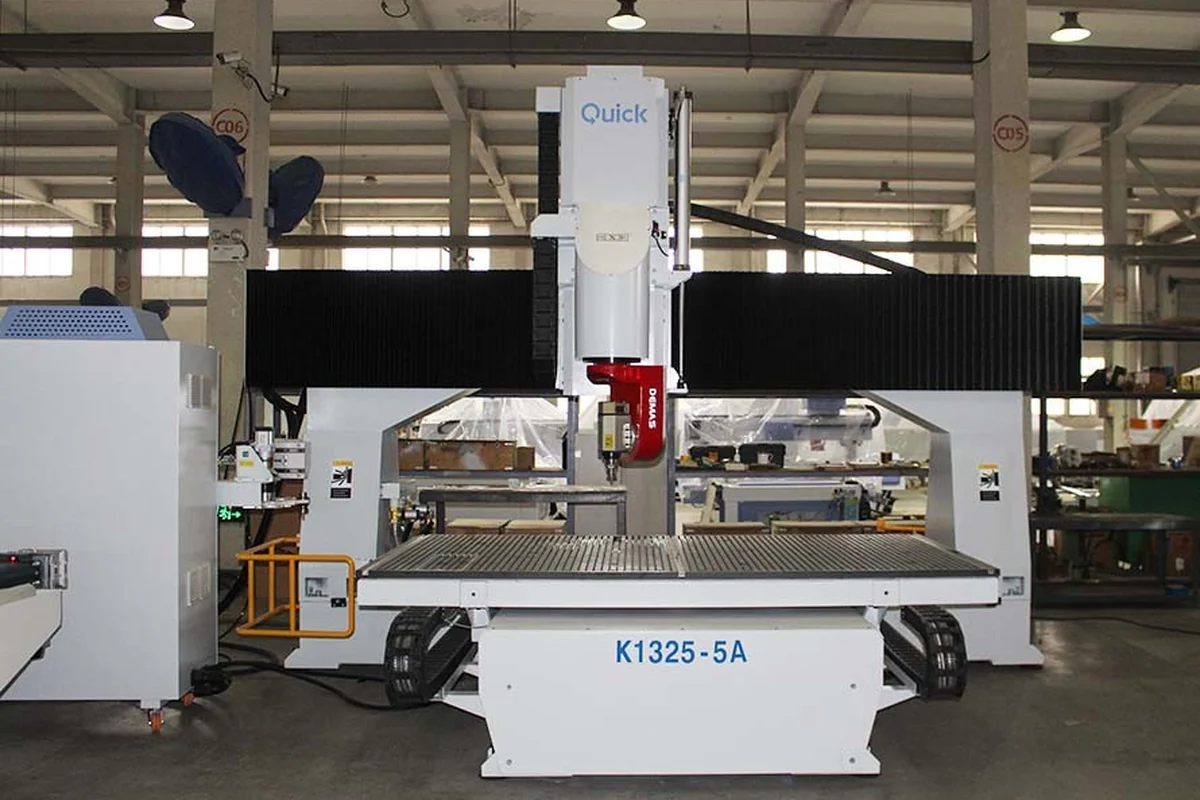
If your parts need more than flat cutting, this is where the K1325-5A starts to make sense. It gives you a 1300 × 2500 × 800 mm working envelope, a DEMAS five-axis head, 12 kW HQD ATC spindle, Syntec 610 control and an 8-tool carousel tool changer for multi-face work, deep 3D routing, trimming, drilling, grooving and carving.
Who This 5 Axis CNC Router Is Really For
Good Fit for These Shops
Furniture, cabinet and door factories, custom woodworking plants, mold and model shops, CNC job shops and manufacturers handling parts that need angled access, deep features or more than one machined face.
Materials We Usually Discuss
Wood, MDF, plywood, particle board, melamine board, acrylic, PVC, plastic, foam, aluminum composite panel and selected composite materials. Soft aluminum can be reviewed for suitable routing or trimming work after we check the part, tooling, chip removal and finish requirement.
Typical Jobs
Furniture components, cabinet parts, wooden doors, 3D carving, mold work, trimming, drilling, grooving and other custom parts where tool angle and access matter more than simple flat-sheet cutting.
Why Move Up to Five-Axis?
The point of five-axis is not to make a simple job look more impressive. It is useful when the tool needs to reach angled faces, deep features or complex surfaces that are awkward to handle on a standard three-axis setup. For the right part, that can mean less repositioning and a cleaner machining plan.
Send us the part drawing first. We look at the geometry, material, tooling, workholding and output target, then tell you whether the K1325-5A makes sense or whether a simpler machine would do the job for less money.
K1325-5A Specifications
| Model | K1325-5A |
|---|---|
| XYZ working size | 1300 × 2500 × 800 mm |
| Listed A-axis travel | -110° |
| Listed C-axis travel | -360° |
| Maximum cutting speed, X/Y/Z | 10 / 10 / 10 m/min |
| Maximum cutting speed, A/C | 120 / 120°/s |
| Rapid movement speed, X/Y/Z | 30 / 30 / 15 m/min |
| Maximum acceleration, X/Y/Z | 2.5 / 2.5 / 2.5 m/s² |
| Maximum acceleration, A/C | 60 / 60°/s² |
| Controller | Syntec SYNTEC610 |
| Spindle | 12 kW HQD automatic tool-changing spindle |
| Five-axis head | DEMAS five-axis head |
| Servo system | Syntec servo motor and driver; product introduction lists 1000 W servo power |
| Tool magazine | 8-tool carousel automatic tool changer |
| Worktable | Vacuum table; single or double worktable available |
| Vacuum pump | 5.5 kW Becker vacuum pump |
| Air compressor | 7.5 kW |
| Working voltage | AC 380 V, 50/60 Hz, three phase |
What You Are Actually Buying
DEMAS Five-Axis Head
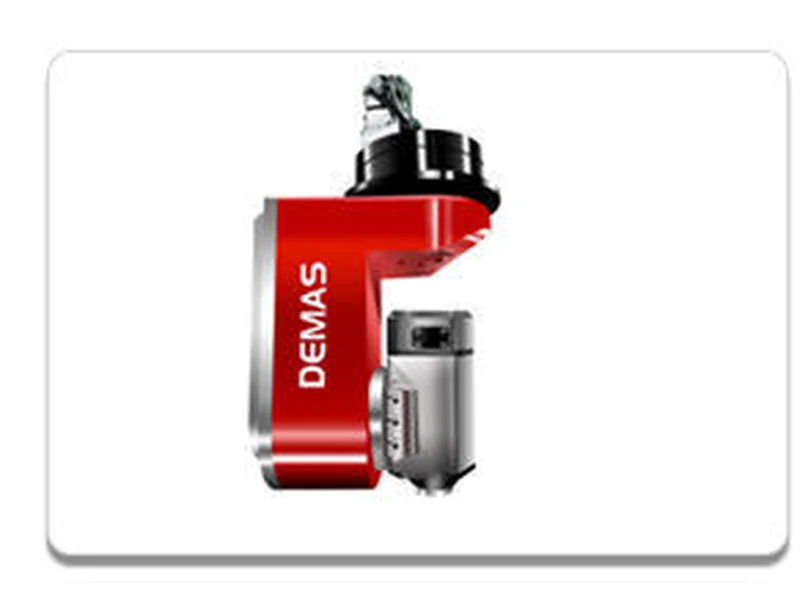
This is the part that gives the tool its angled access. It is there for parts where a straight vertical approach is not enough, especially around sloped faces, curved surfaces and deeper features.
Syntec Control and Servo System
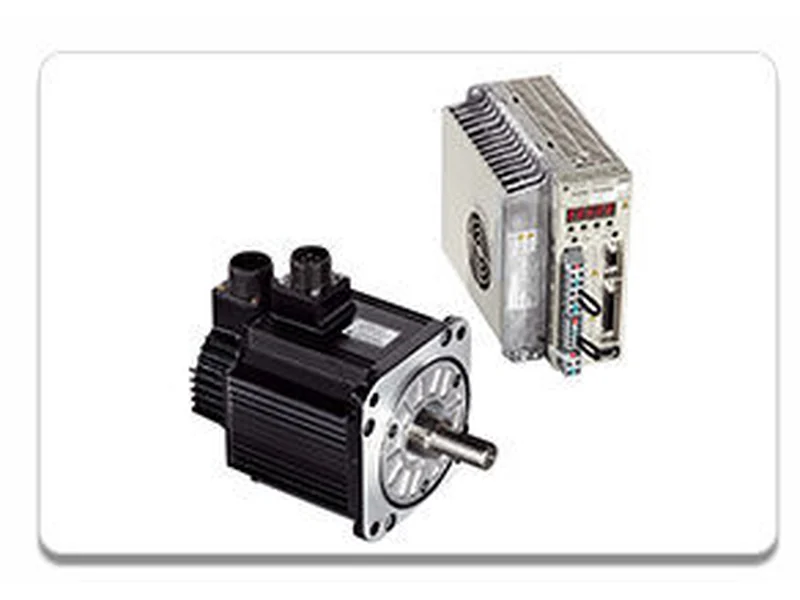
The SYNTEC610 controller works with Syntec servo motors and drivers for coordinated multi-axis motion. Tell us what CAM software and post processor you use now. We check that workflow before the machine configuration is locked in.
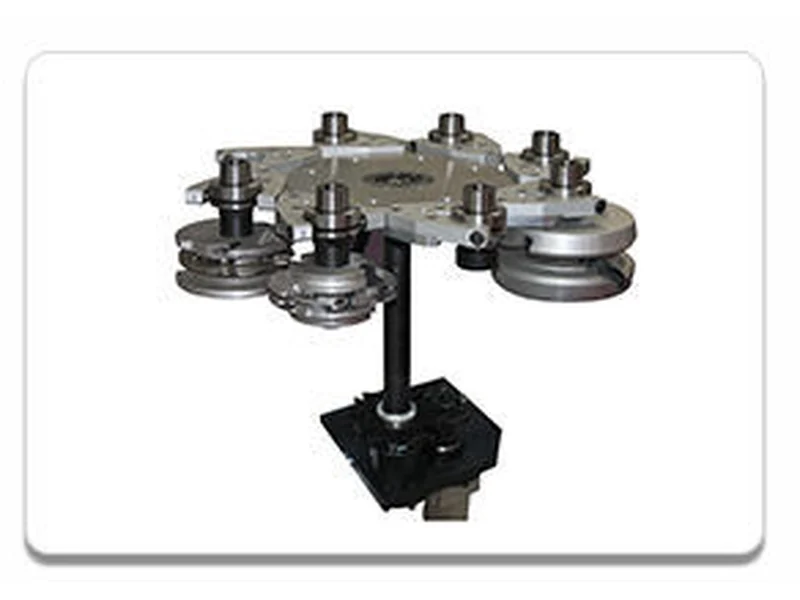
8-Tool Carousel ATC
If one part needs several tools, the 8-position carousel saves you from stopping the job for every tool change. It is useful for jobs that mix routing, drilling, grooving, trimming and finishing operations.
Single Table or Double Table? Pick It Around the Part
A single table is the simpler choice when you want one large fixture area or maximum workholding freedom. A double-table layout is worth discussing when repetitive parts and alternating loading are more important. We do not pick this from a brochure. We pick it from your part size, fixture and production flow.
What we need before we choose
- Part drawings and finished-part dimensions
- Material and maximum stock size
- Required surfaces, angles and machining depth
- Tool list, extraction and air requirements
- Target cycle time and daily production plan
- Destination-country electrical requirements
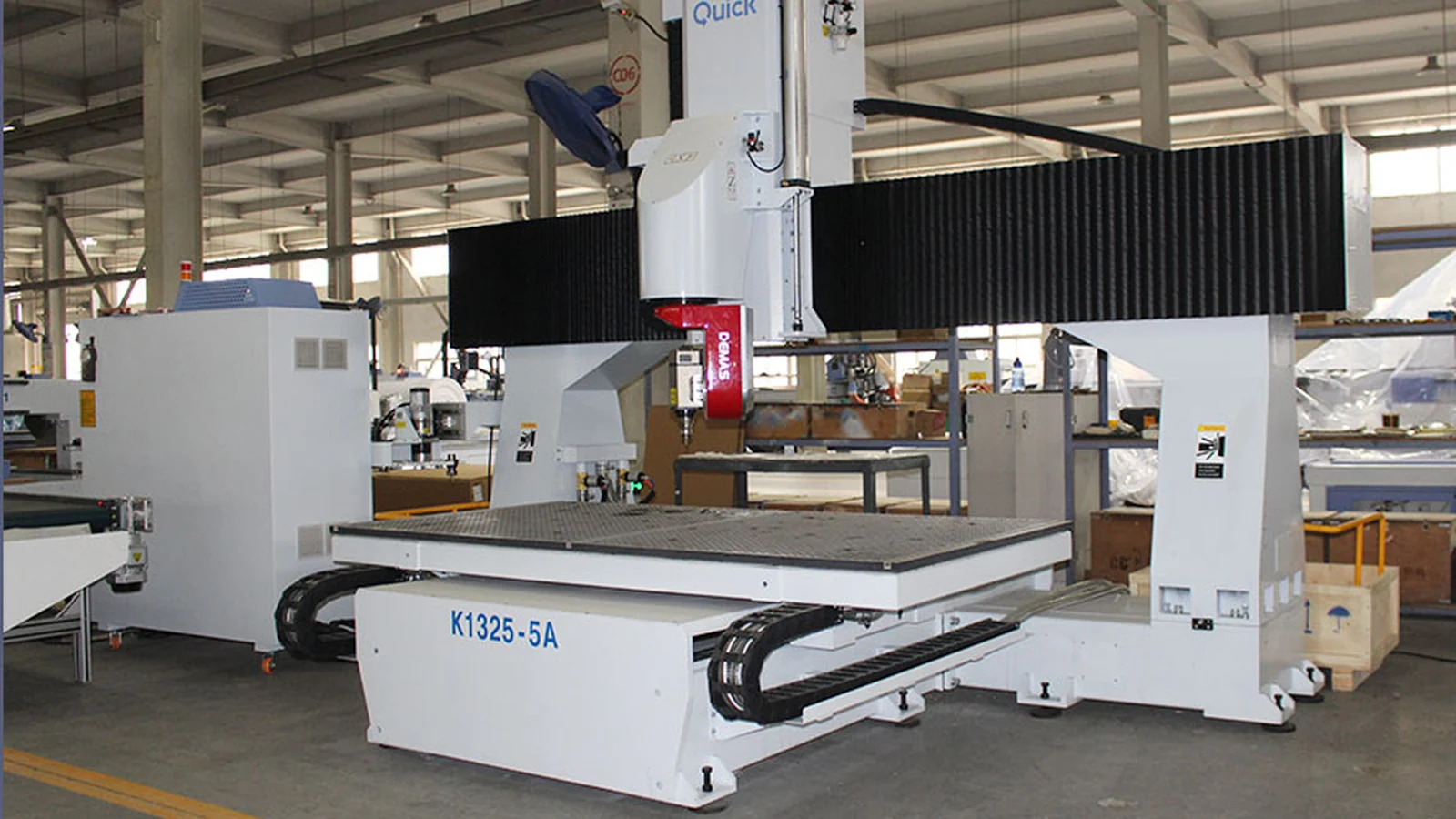
3+2 or Simultaneous Five-Axis? Start With the Part
“Five-axis” by itself does not tell you how your part should be programmed. Some jobs are mainly about indexing the tool to a new angle and cutting there. Others need coordinated multi-axis motion through the toolpath. Those are different jobs, with different CAM, post-processor and collision-checking requirements.
If the Part Mainly Needs Angled Access
Show us the faces, holes, pockets or trims you need to reach. We review whether indexed positioning is enough before making the process more complicated than it needs to be.
If the Surface Needs Continuous Multi-Axis Motion
Send the 3D model and the critical surface requirement. We check the machining approach together with the controller, tooling, fixture and programming workflow before the final setup is confirmed.
What We Will Not Do
We will not promise a five-axis mode from a keyword alone. The final machining method has to match the real part, the approved control setup and the post processor used for production.
CAM Software and Post Processor: Check This Before You Buy
A five-axis router is only useful when the machine and programming workflow talk to each other properly. Tell us what CAM software you use, whether you already have a post processor and how your team programs complex parts today.
Before the order is locked, we review the programming workflow that matters to your job. That includes the part geometry, machine kinematics, tool orientation, fixture clearance and the post-processor requirement for the approved control setup.
| Your CAM software | Tell us what your team uses now. |
|---|---|
| Post processor | Share the existing post if available; final requirements are checked against the approved machine setup. |
| Programming method | We review it around the actual part rather than assuming every five-axis job uses the same strategy. |
| Fixture and collision check | Critical for deep cavities, angled access and long-reach tools. |
Tooling, Workholding and Sample Checks Before You Commit
Tooling First, Not Last
Tool diameter, flute geometry, reach and balance need to match the material, spindle, programmed angle and finish you want. Deep cavities are where bad planning gets expensive, so we check tool reach, holder clearance and interference before calling the setup finished.
How Will the Part Stay Put?
The vacuum table works well for suitable flat parts. Tall, irregular or small components can be a different story, so those may need custom fixtures, stops, clamps or vacuum pods. The fixture has to be planned together with the toolpath, not after it.
Test the Hard Part
If your part is complex, send the drawing and material. We can build the sample check around the features you actually care about, including the expected tolerance and finish. Any measured result belongs to that specific part and test setup, so we do not recycle one sample number as a promise for every job.
See the Machine Move
The video is useful for checking the machine layout and five-axis motion. It is not a shortcut to a cycle-time promise. Your real cycle time and finish still come down to the part, tooling, fixture, material and CNC program.
What We Check Before the Machine Leaves
Quick CNC has manufactured CNC machinery since 2006. Our wider QC process includes CMM inspection, laser interferometer testing, Ballbar testing and 24–72-hour continuous-operation testing. For your K1325-5A, the exact checks and the values we report follow the machine test plan agreed for that order.
Pre-Shipment Check
We check the build against the order, then run through axis movement, tool change, spindle operation, control functions and the accessories you actually ordered.
Documents for Your Market
CE documentation may be available within the applicable model scope. Tell us the destination country before the order is locked so the exact declaration and paperwork can be checked against that market.
Ask for the Evidence You Need
If your purchasing process needs inspection records, machine photos, test video, sample results or packing documentation, put that into the order evidence list before production. It is much easier to agree it up front than argue about it at shipment.
Do You Actually Need the K1325-5A?
K1325-5A Makes Sense When
- Five-axis tool orientation is required
- Parts need multi-face or complex 3D machining
- 800 mm Z working size is relevant
- Automatic multi-tool processing is needed
A Simpler Machine May Be Better When
- Jobs are mainly flat sheet nesting
- Only rotary four-axis work is required
- Workpieces exceed the approved envelope
- Metal requirements exceed the approved process boundary
Start With the Part, Not the Model Name
Our engineers compare the part geometry, material, fixture, toolpath, output target and utilities first. Then we recommend the machine and accessories. If the K1325-5A is more machine than you need, we would rather tell you that before you spend the money.
Three-Axis, Four-Axis or Five-Axis?
If you are still comparing machine types, use the part geometry as the filter. Paying for more axes only makes sense when those extra tool orientations solve a real machining problem.
| Mostly flat sheet cutting | A three-axis router is usually the first place to look. |
|---|---|
| Rotary work or one added rotational requirement | A four-axis setup may cover the job without full five-axis complexity. |
| Angled faces, deep access, multi-face work or complex 3D surfaces | This is where the K1325-5A becomes the more relevant machine to evaluate. |
Basic Commercial Terms
Installation, Training and Support After Delivery
You get manuals, operation videos, remote technical guidance and online training. If you need someone on site, paid on-site service can be arranged. We spell out the exact service scope in the order so both sides know what is included.
Send These Details and We Can Give You a Useful Answer
- Drawings or 3D files
- Material and workpiece dimensions
- Operations, tolerance and finish
- Tools and cycle-time target
- Table preference
- Electrical supply and destination country
Frequently Asked Questions
What is the working size of the K1325-5A?
The XYZ working size is 1300 × 2500 × 800 mm. The supplied specification lists A-axis travel as -110° and C-axis travel as -360°. We confirm the final axis-direction convention in the approved technical sheet for the order.
What spindle and tool changer does it use?
The listed configuration uses a 12 kW HQD automatic tool-changing spindle and an 8-tool carousel ATC.
Can it use one table or two tables?
Yes. Quick CNC can configure a single or double worktable according to part size, fixture method, process sequence and production target.
What controller is supplied?
The listed setup uses a Syntec SYNTEC610 controller with Syntec servo motors and drivers. Send us your CAM and post-processor information as well, because the programming workflow matters just as much as the controller name on a five-axis job.
Is this a 3+2 or simultaneous five-axis machine?
We confirm the required machining mode against your part, toolpath, approved control setup and post processor before the final configuration is signed off. Send the 3D model and the surfaces you need to machine so we can review the correct process instead of guessing from the words “five-axis.”
What CAM or post processor do I need?
Tell us the CAM software and version your team uses now and share your existing post processor if you have one. We review the post-processor and programming requirements against the approved K1325-5A setup before order confirmation.
What are the MOQ, lead time and warranty?
There is no minimum order quantity. Standard production lead time is approximately 45 days after order and configuration confirmation, excluding ocean freight. The standard machine warranty is one year under the final signed agreement.
Not Sure Whether This Is the Right Five-Axis Router?
Send the drawing, material, finished-part size, surfaces you need to machine and your output target. We will review the job first, then come back with the machine fit, table setup, tooling and workholding points that matter for your quotation.