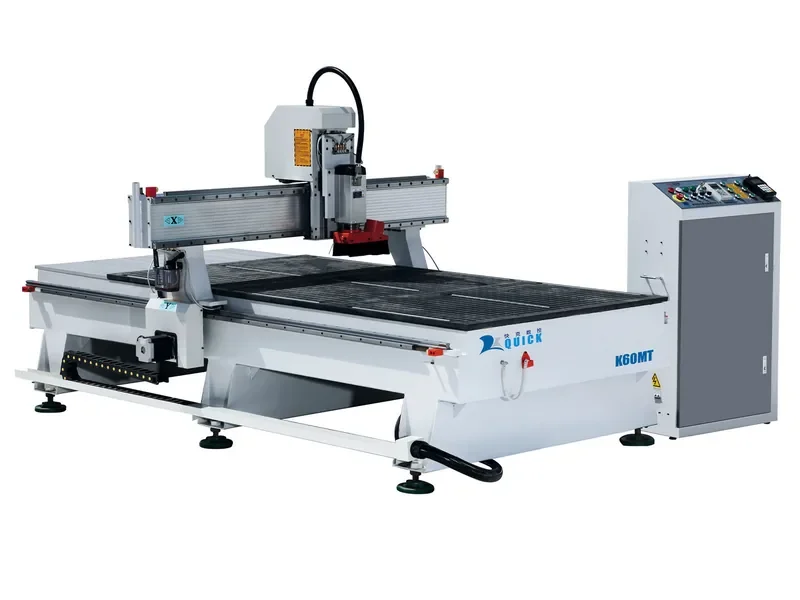
CNC Router Motor Choice · Quick CNC
If you’re choosing between stepper and servo, don’t start with the motor name. Start with the work the router has to do every day.
Light work and small batches? Stepper can be enough. Mixed work and a tighter budget? Closed-loop stepper is worth looking at. Full sheets, higher speed, heavier gantries, long daily shifts, or ATC and nesting machines that are expected to run harder and faster? That’s where servo starts to make much more sense.
Stepper or Servo? Start With the Workload
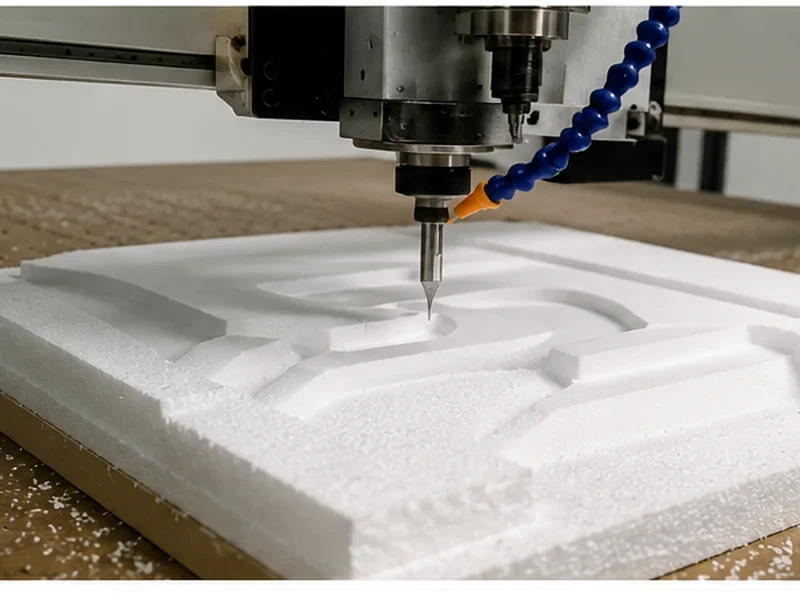
If the router is doing light sign work, PVC, foam, acrylic, or small-batch woodworking, you don’t automatically need to pay for a full servo system.
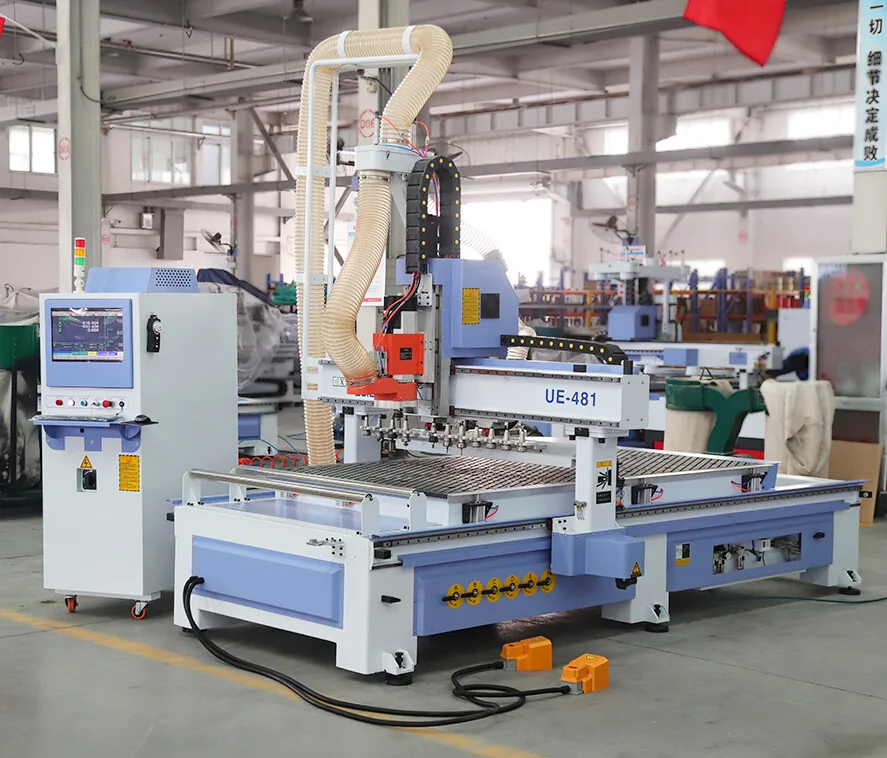
If you’re running full sheets every day, pushing higher feed speeds, using ATC, cutting cabinet parts, or moving a larger and heavier gantry, servo becomes much easier to justify.
The important part is this: don’t buy a router just because the quotation says “servo.” A good motor still needs the right drive, controller, transmission, machine structure, tooling, and setup around it.
A simple rule: the harder the router has to work, and the more expensive downtime or scrap becomes, the more seriously you should look at servo.
What Actually Changes When You Go From Stepper to Servo?
On paper, the difference sounds technical. On the shop floor, it’s much easier to understand.
A standard open-loop stepper follows the movement command it receives. If the load becomes too high and the motor misses steps, the controller may not immediately know the axis has fallen behind.
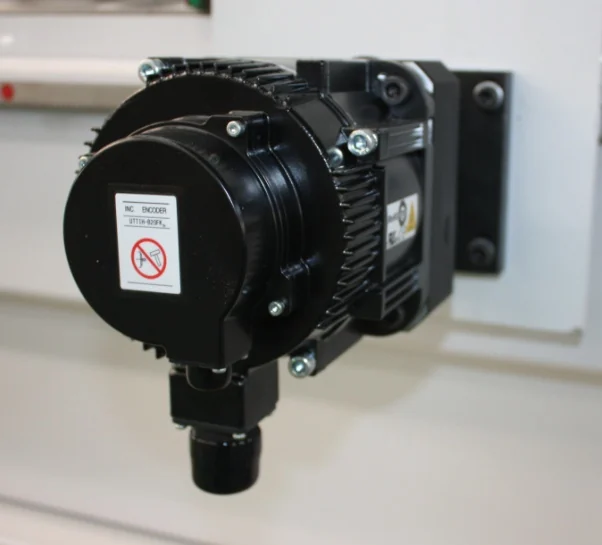
A servo system uses feedback to keep track of motion. That gives the system more control when acceleration, speed, load, and longer production cycles start to increase.
| What You’re Comparing | Stepper | Servo |
|---|---|---|
| System cost | Lower | Higher |
| Feedback | Open-loop on a standard stepper; feedback on closed-loop versions | Closed-loop feedback |
| Higher-speed motion | Less comfortable as speed and load increase | Better suited to higher dynamic loads |
| If the axis is overloaded | An open-loop system can lose steps | The drive can monitor position error within the system’s limits |
| Where it makes sense | Light to medium workloads | Faster, heavier, longer daily production |
There Are More Than Two Motor Setups to Compare
In actual CNC router quotations, you won’t always see a simple choice between “stepper” and “servo.” There are a few common setups, and this is where quotations can get confusing.
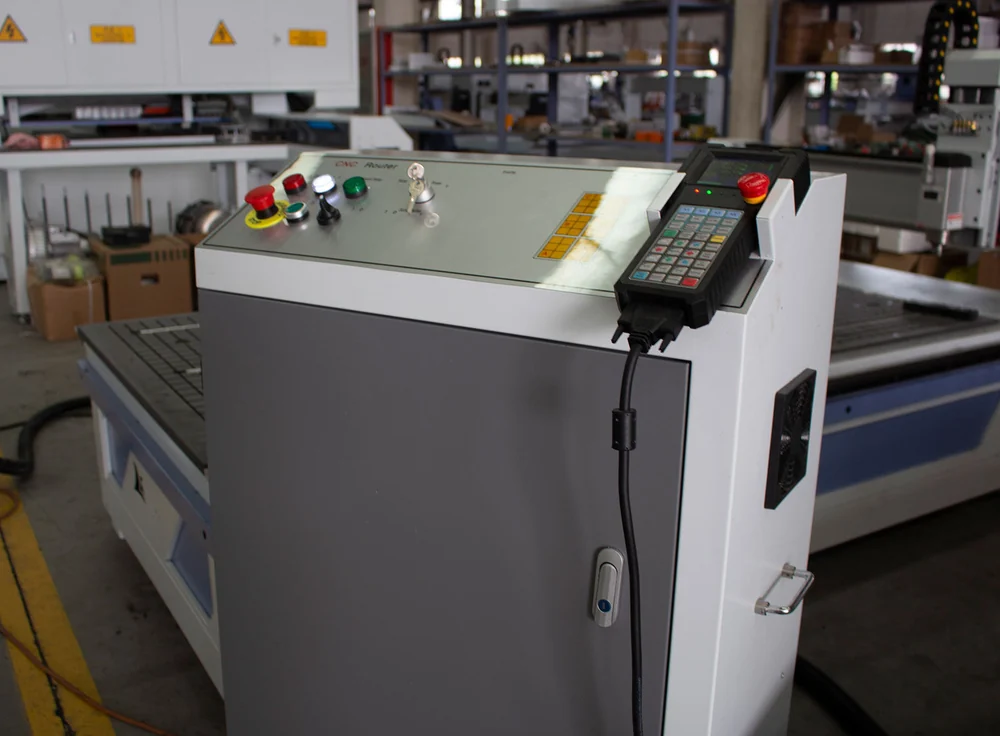
Open-Loop Stepper
This is the simple, lower-cost setup. It works well when the router has a predictable load and you’re not trying to push high acceleration or heavy cutting all day.
The weak point is overload. If the axis misses steps, an open-loop system may keep running without immediately telling you the position has changed.
Closed-Loop Stepper
This adds feedback, so you get better fault detection and less risk of silent position loss.
For many mid-range routers, this is a sensible middle ground: better control than a basic stepper without going straight to a full servo package.
Hybrid Servo
This name needs a closer look because different suppliers don’t always use it the same way.
Don’t stop at the words “hybrid servo.” Check the actual motor, drive, encoder or feedback method, alarm function, controller, and the motor used on each axis.
Full Servo
This is where we start looking when the router is larger, heavier, faster, fitted with ATC, used for nesting, or expected to run long daily production.
It gives you a stronger motion-control foundation, but it still has to be sized and tuned correctly.
Here’s the Simple Way to Choose
Forget the question “Which motor is better?” It’s too broad.
Ask a more useful question:
What does this router need to cut every day, how fast does it need to run, and what happens to production if an axis loses position?
A small sign shop cutting PVC is very different from a cabinet factory nesting MDF sheets all day. The motor choice should reflect that difference.
| Your Work | What Makes Sense to Compare |
|---|---|
| Foam, PVC, light sign work, small batches | Stepper or closed-loop stepper |
| Acrylic and lighter mixed work | Closed-loop stepper or servo |
| 4 × 8 ft / 1220 × 2440 mm mixed woodworking | Compare closed-loop stepper and servo |
| ATC router with longer programs | Strong closed-loop system or servo |
| Cabinet nesting and repeated full-sheet cutting | Servo is usually the safer direction |
| 5 × 10 ft / 1530 × 3050 mm or a heavier gantry | Servo deserves serious consideration |
| Panel furniture or long daily production | Servo is normally the lower-risk choice |
If you’re still working out which router type fits your production, our CNC Router for Woodworking page covers the wider machine choice. For acrylic work, see How to Cut Acrylic with a CNC Router.
Will Servo Make the Router More Accurate? Not on Its Own.
This is one of the easiest things to misunderstand when comparing quotations.
Servo feedback gives you better control of axis motion. That’s useful. But the finished part still depends on the whole machine.
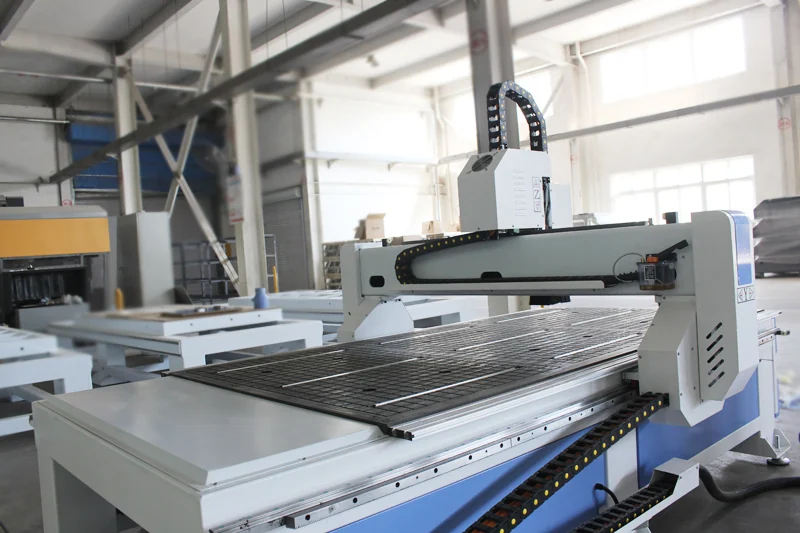
If the frame flexes, the rack and pinion have backlash, the spindle has runout, the tool is dull, or the sheet isn’t held firmly, putting a servo motor on the machine doesn’t make those problems disappear.
- Frame rigidity: a weak structure can move under cutting load.
- Transmission: backlash affects positioning and repeatability.
- Controller and tuning: a good motor with poor tuning still performs badly.
- Spindle and tooling: runout and worn tools show up directly on the finished edge.
- Vacuum or clamping: if the material moves, accuracy is already gone.
- Feed rate and cutting load: pushing the tool too hard increases vibration and overload risk.
- Assembly and calibration: motor feedback cannot repair mechanical error.
When Stepper Is Plenty
You don’t need to pay for servo just because it’s available.
Stepper or closed-loop stepper can be a perfectly sensible choice when you’re doing:
- light sign work
- foam and PVC routing
- lighter acrylic cutting
- simple woodworking
- small batches
- low to medium daily use
- predictable cutting paths
- work where very high acceleration isn’t important
The trouble starts when a low-cost setup is expected to behave like a production machine. Heavy cutting, high feed rates, aggressive acceleration, dull tooling, poor lubrication, or a heavy gantry can quickly use up the margin in an open-loop stepper system.
When Servo Is Worth the Extra Cost
Servo starts to make financial sense when one production problem costs more than the upgrade itself.
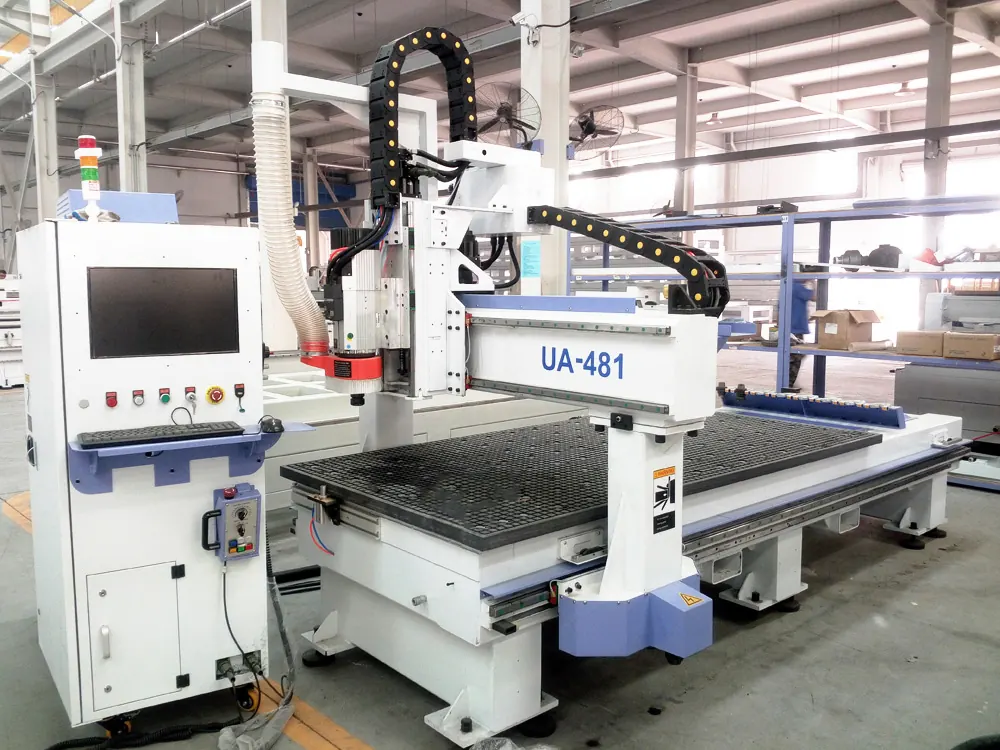
Take a cabinet factory as an example. If a router loses position halfway through a nested sheet, you’re not only looking at the motor problem. You may also be looking at wasted MDF or plywood, another setup, lost production time, and an operator who now has to watch the machine more closely.
That’s why servo is much easier to justify on:
- cabinet nesting machines
- panel furniture production
- ATC CNC routers
- larger working areas
- heavier gantries
- machines running at higher acceleration
- full-sheet cutting
- long daily shifts
- production lines where downtime becomes expensive
Sometimes the expensive choice isn’t the servo upgrade. It’s buying a router that has to be slowed down every day because the motion system was too lightly selected.
A Cheaper Motor Setup Can Cost You More Later
Here’s a common way the wrong choice happens.
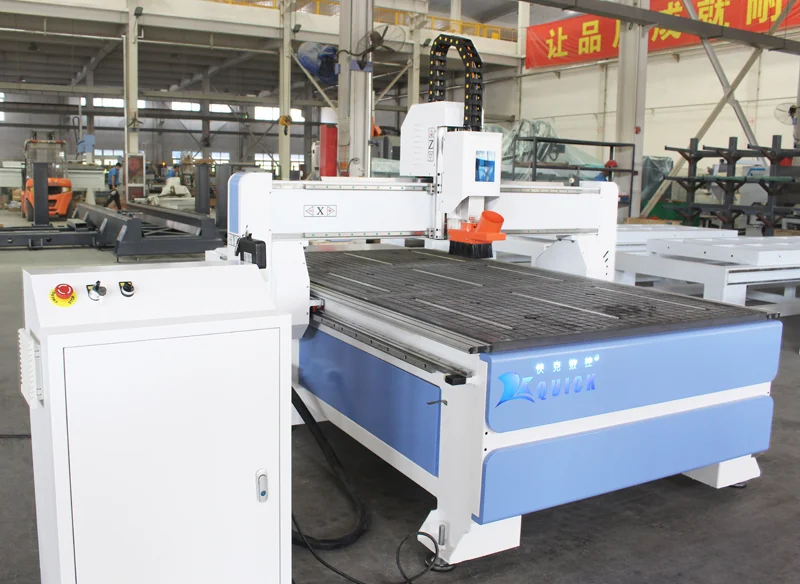
A larger router is ordered with an open-loop stepper system because the quotation is cheaper. The working area looks right and the spindle power looks good, so the motor setup doesn’t get much attention.
Once the machine starts heavier daily cutting, the operator finds that acceleration and feed have to be kept lower than expected. Push it harder and the chance of losing position goes up.
The motor was chosen by price instead of gantry load, cutting resistance, acceleration, transmission, controller, and daily working hours.
The complete motion system: motor, drive, controller, transmission, machine weight, working area, material, cutting load, and production target.
The lesson is simple: the cheapest motor package is only cheap if it can still run the machine the way you need it to run.
Before You Compare Two Quotes, Check These Things
If two quotations both say “servo,” that doesn’t mean you’re comparing the same setup.
You don’t need a huge checklist. Just make sure these points are clear:
- What motor and drive are used?
- Are X, Y, and Z using the same motor setup?
- What controller is paired with the drive?
- What feedback and alarm behavior are included?
- What transmission is used on each axis?
- Was the system sized for your material, machine size, and daily workload?
That tells you far more than the word “servo” by itself.
If you’re planning cabinet or panel production, you can also look through our Furniture CNC Machine range and Applications page before comparing machine configurations.
So, Which Motor Should You Choose?
If your work is light and predictable, a stepper system can do the job without adding unnecessary cost.
If you want a little more protection against position loss but still need to control the budget, closed-loop stepper is worth comparing.
If the quotation says “hybrid servo,” don’t judge it by the name. Find out what’s actually inside the system.
If you’re running nesting, ATC, larger machines, heavier gantries, faster motion, or long production shifts, servo is normally the direction that gives you more working margin.
Choose the motor by what the router has to do every day—not by which motor name sounds more impressive on the quotation.
Motor choice and axis configuration are separate decisions. If you’re also deciding between machine structures, see 3 Axis vs 4 Axis vs 5 Axis CNC Router.
FAQ
Is servo always better than stepper on a CNC router?
No. If you’re doing light work at controlled speeds, stepper can be completely adequate. Servo becomes more useful as speed, load, machine size, and daily production increase.
Can a stepper CNC router lose position while cutting?
Yes. An open-loop stepper can lose steps if the axis is overloaded. Dull tools, high feed rates, aggressive acceleration, mechanical resistance, poor lubrication, or a cutting load that’s too heavy can all contribute.
Is closed-loop stepper enough for a 4 × 8 ft CNC router?
For many 4 × 8 ft / 1220 × 2440 mm routers doing mixed woodworking, signage, acrylic, and moderate-duty cutting, it can be enough. If you’re nesting sheets every day or pushing higher production speeds, compare servo as well.
Should I use servo for cabinet nesting?
Servo is worth serious consideration for cabinet nesting because the machine is cutting full sheets repeatedly and downtime or position loss becomes more expensive. The motor still needs to be matched with the controller, drive, transmission, and machine structure.
Does servo guarantee better CNC router accuracy?
No. Servo gives you better motion feedback, but finished accuracy also depends on the frame, transmission, spindle, tooling, workholding, controller tuning, calibration, feed rate, and material.
What should I check when a quotation says “servo motor”?
Check the actual motor and drive, controller, encoder or feedback setup, alarm behavior, transmission, and the motor used on each axis. Then make sure the whole system is sized for your machine and workload.
Not Sure Which Motor Setup Fits Your Machine?
Tell us what you’re cutting, the sheet size, thickness, machine size, and how much you expect to produce each day. We can help you compare the motor options without paying for more than you need—or choosing a setup that’s too light for the job.
Talk to Quick CNC
Frannie
Hello, I’m Frannie, a CNC machinery specialist with 15 years of experience in the woodworking CNC industry. I help furniture factories, cabinet makers, woodworking workshops, and production businesses choose CNC machines that match their production needs, factory size, budget, and efficiency goals.
My work focuses on solving real production problems, including replacing outdated equipment, improving machining efficiency, reducing labor costs, and upgrading to smarter CNC solutions. I also support customers with machine installation guidance, operation training, video support, and on-site training when needed, helping them use their machines more confidently and effectively.